AI Toggle Tax Survey
AI promised to make workers more productive, but our data shows the opposite: they’re using more tools than before, spending more time searching for information, having to re-enter information between systems, and getting distracted by an increasing number of alerts.
A Workforce Caught Between Two Systems
We surveyed 1,000 full-time professionals across finance, healthcare, and the public sector to see how AI adoption is actually playing out day to day. What we found goes beyond tool sprawl: rising performance expectations, new cognitive and emotional strain, and workers navigating restrictions their organizations haven't fully caught up to — even among those using AI only lightly.
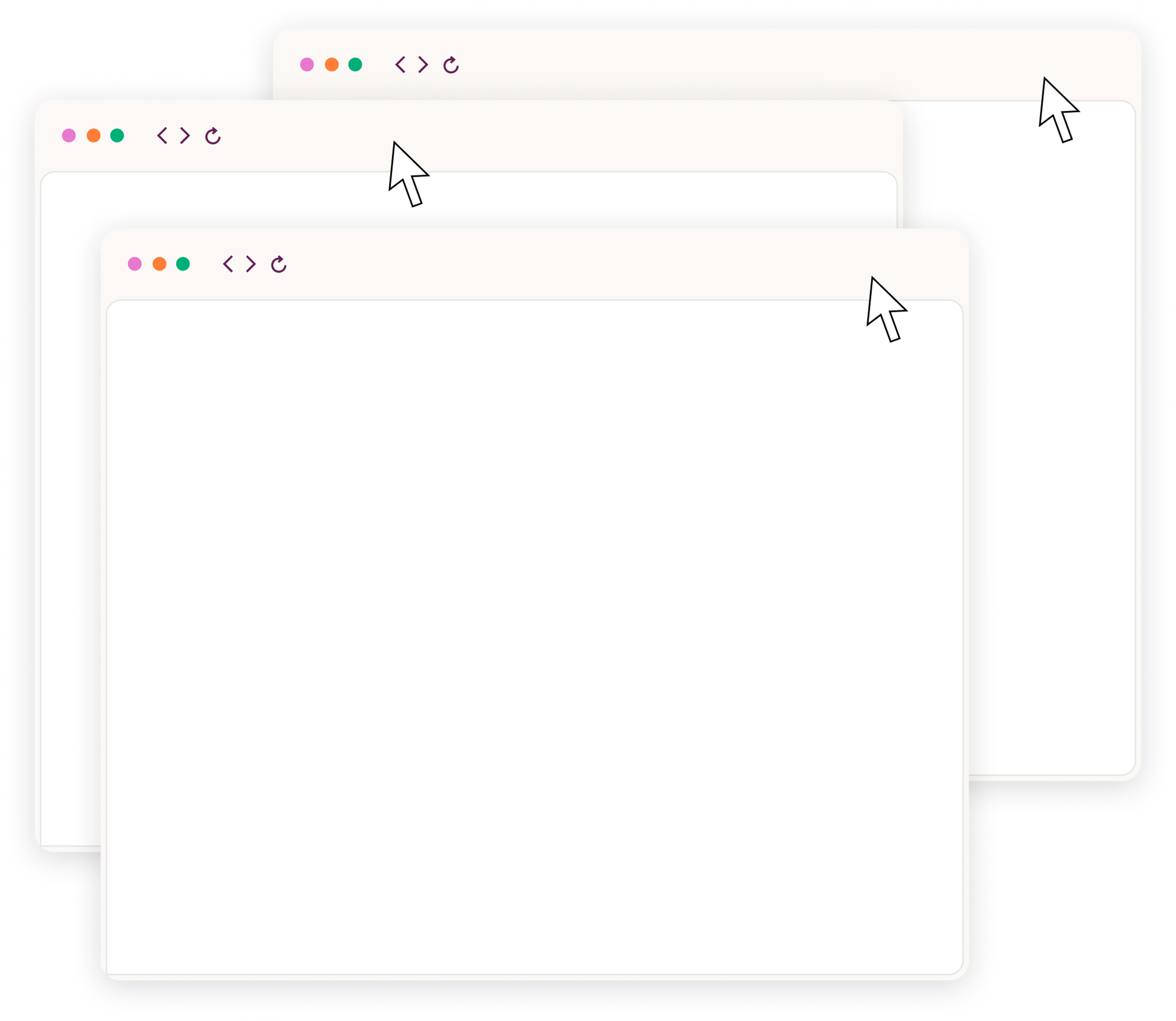
Every time employees switch between applications, search for information, or manually move data, they lose valuable time and focus. These small interruptions accumulate throughout the day into what we call the toggle tax—a hidden productivity cost that slows work, increases cognitive load, and makes it harder to realize the full value of AI investments.
The Reality of Today's Digital Workday
Despite promises of greater efficiency, many employees still spend much of their day navigating fragmented workflows instead of completing meaningful work.
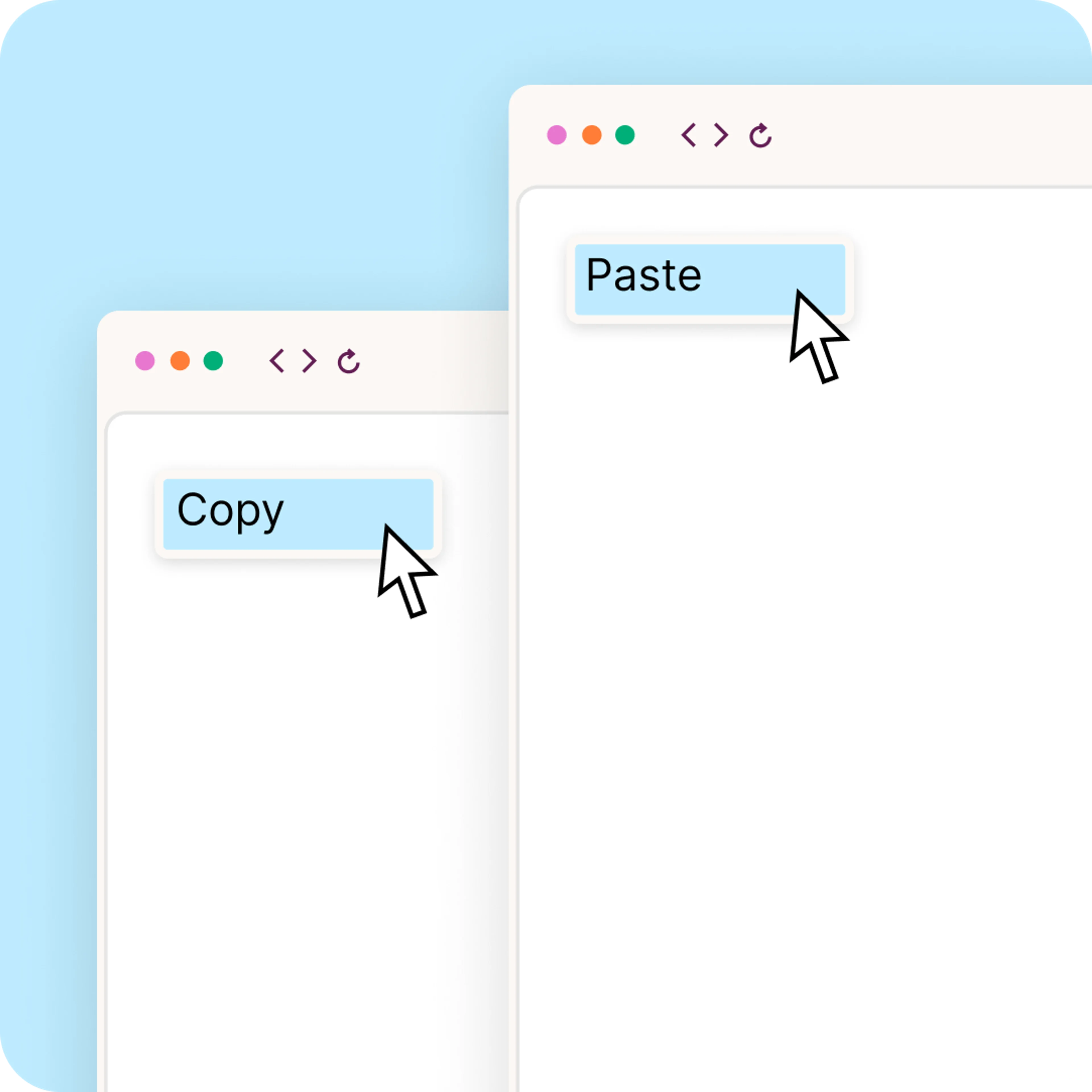
43%
of employees manually copy-paste or re-enter information when starting new tasks 25%-49% of the time
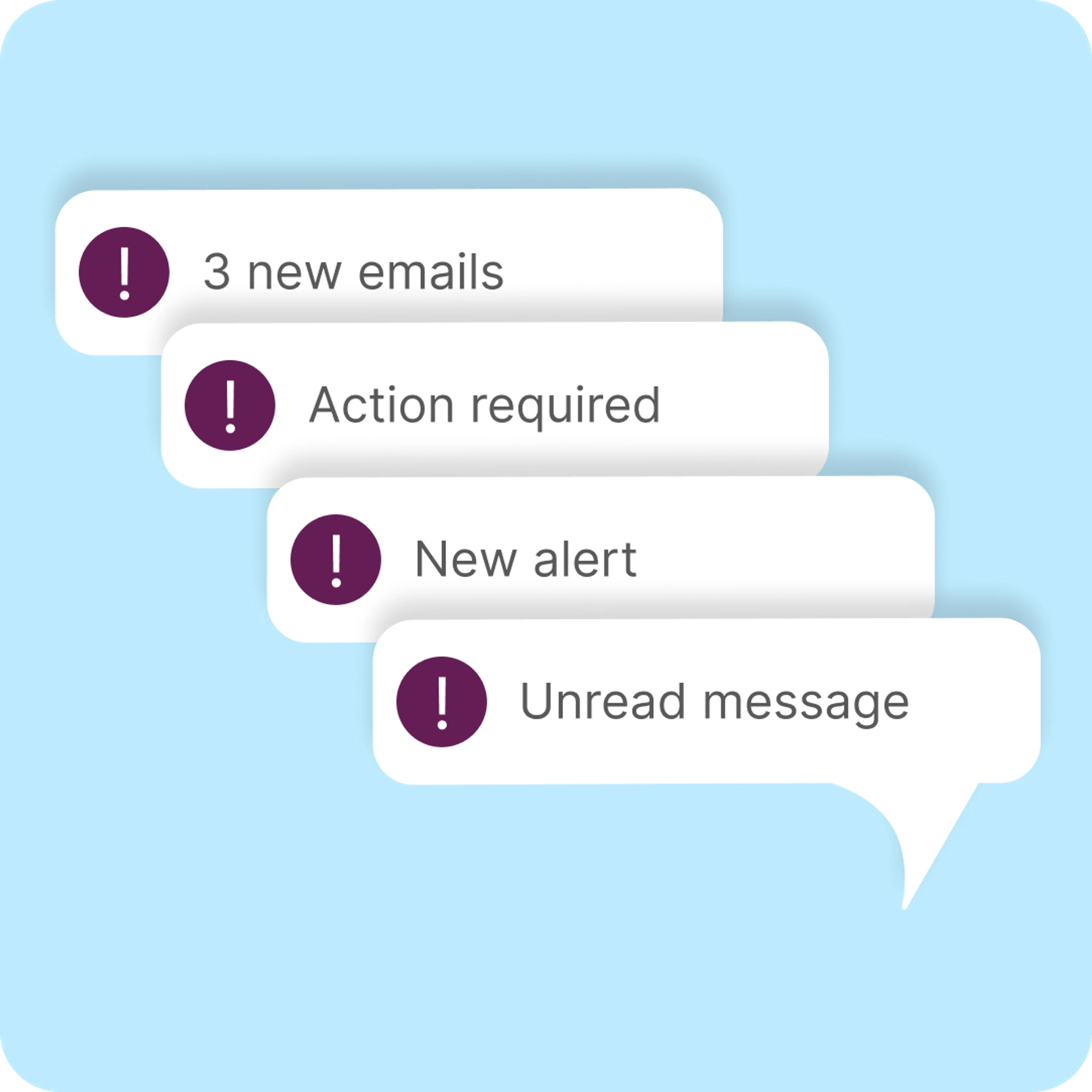
32%
can only focus on a single task for <15 minutes before being interrupted by a message or notification

27%
of respondents have 11-30 tabs open right now
Enterprises adopted AI on the premise of making workers more productive, but our data shows the opposite effect. Nearly two-third of respondents (64%) say AI has negatively impacted how they access applications and information at work. Of those, 32% use more tools, 28% spend more time searching for information, and 26% have more browser tabs open now than they did before AI.
AI Is Raising Expectations While Productivity Falls Behind
Organizations are investing heavily in AI and expecting employees to accomplish more with fewer resources. Yet many workers report that AI has introduced new pressures, increased complexity, and created concerns about the quality and sustainability of their work.
Nearly 6 in 10 Professionals
are concerned about their organization's performance in the age of AI
While AI is expected to improve productivity and accelerate business outcomes, many professionals believe the reality is more complex. Fifty-nine percent of respondents expressed concerns about their organization's ability to perform effectively in an AI-assisted work environment, citing challenges ranging from workforce reductions to ethical concerns and declining work quality.
These concerns include:
72% of employees
have navigated around their organization’s AI restrictions, likely to keep up with rising productivity expectations. Workers may be drawn to use unapproved consumer tools because enterprise tools are too cumbersome or because their org restricts AI.
The Human Cost Extends Beyond Productivity
Most research on AI-related cognitive strain has focused on tech workers and agentic power users — the "brain fry" that comes from heavy, hands-on AI use. Our data shows the same effects among workers who use AI far less.
45%
feel work is less rewarding because they spend more time managing AI than performing core job duties.
The Cognitive Toll of AI Doesn't Stop With Employees
AI's cognitive and emotional toll on employees is beginning to spill over into how they interact with the people they serve. As cognitive overload increases, stress, fatigue, and reduced focus are shaping the tone and quality of interactions with customers, constituents, and patients.

69%
of respondents whose organizations use AI to handle public-facing interactions say their relationships with customers, constituents, and patients have changed as a result.
The accidental promotion
Industry observers have argued that AI is turning every employee into a manager — delegating tasks to agents and reviewing their output instead of doing the work directly — but as AI absorbs the routine tasks, workers are increasingly left to handle what's too complex or ambiguous for automation, without the training or authority a real promotion would come with.
Understanding the Cost of AI-Driven Work
AI has enormous potential—but only when employees can work without unnecessary friction. This research reveals how digital overload, application switching, and evolving workplace expectations are reshaping productivity across regulated industries, and what organizations can do to address the hidden costs.
Download the report to better understand the impact of modern work on productivity, employee experience, and AI adoption.
Appendix
AI use by demographic